



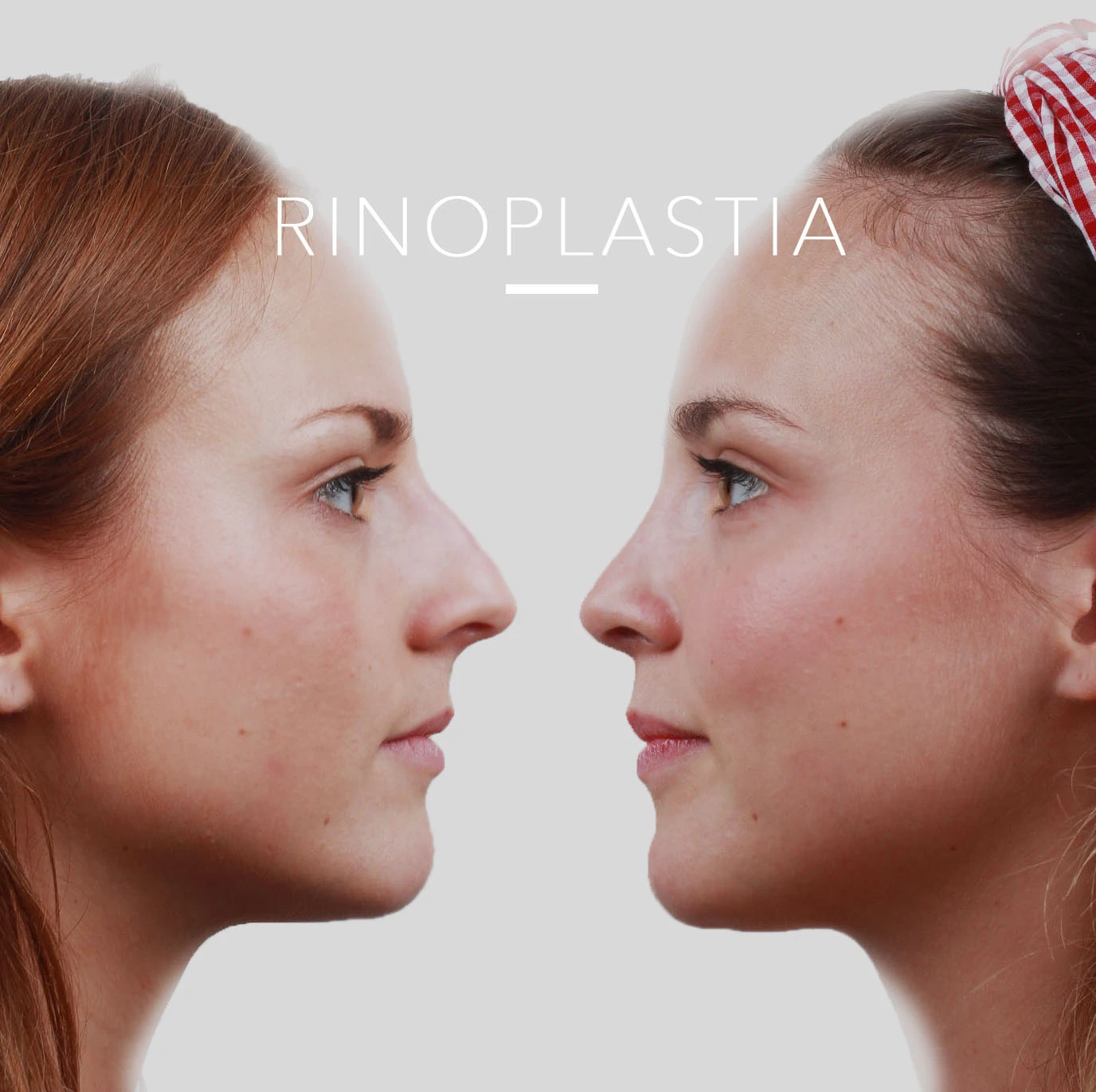
14 Aug Ultrasonic Rhinoplasty vs. Traditional Rhinoplasty: Differences and AdvantagesUltrasonic rhinoplasty, also known as piezo rhinoplasty, is a newer technique that uses ultrasonic vibrations to sculpt the nasal bones. Traditional rhinoplasty, on the other hand, uses chisels and osteotomes to reshape the bone.**Differences:*** **Tooling:** Ultrasonic rhinoplasty uses a piezoelectric device, while traditional rhinoplasty uses manual instruments. * **Precision:** The ultrasonic device allows for much finer and more precise bone work, as the vibrations only affect bone and hard tissue, sparing surrounding soft tissues. Traditional methods can sometimes be less precise, potentially causing more trauma to the surrounding areas. * **Heat Generation:** The ultrasonic device generates minimal heat, reducing the risk of thermal damage to surrounding tissues. Traditional methods can generate more heat. * **Bruising and Swelling:** Due to the gentler nature of the ultrasonic tool, patients often experience less bruising and swelling after ultrasonic rhinoplasty compared to traditional rhinoplasty. * **Recovery Time:** The reduced trauma and swelling associated with ultrasonic rhinoplasty can lead to a quicker and more comfortable recovery period.**Advantages of Ultrasonic Rhinoplasty:*** **Enhanced Precision:** The ability to sculpt bone with exceptional accuracy leads to more predictable and refined results. * **Reduced Trauma:** The piezoelectric device selectively cuts bone without significantly affecting cartilage, blood vessels, or nerves, minimising damage to surrounding soft tissues. * **Less Bruising and Swelling:** This is a significant advantage for many patients, contributing to a more aesthetically pleasing recovery. * **Potentially Quicker Recovery:** Patients may experience less pain and return to their normal activities sooner. * **Improved Aesthetic Outcomes:** The precision offered by ultrasonic technology can help achieve more natural-looking and harmonious results. * **Reduced Risk of Complications:** By minimising trauma and preserving soft tissues, the risk of certain complications can be reduced.**Who is a good candidate for ultrasonic rhinoplasty?**Ultrasonic rhinoplasty is often particularly beneficial for patients who require significant bone work, such as those needing:* Hump reduction * Narrowing of the nasal bones * Corrective rhinoplasty where previous surgery may have made the bone brittleWhile ultrasonic rhinoplasty offers many advantages, it's important to discuss with a qualified and experienced rhinoplasty surgeon whether this technique is the most suitable option for your specific needs and aesthetic goals.
Seguro que habéis oído hablar de la rinoplastia ultrasónica, pero ¿sabes las diferencias con la rinoplastia tradicional?, ¿sabes sus ventajas de la rinoplastia ultrasónica ¿es lo que tú necesitas?…
Fuimos pioneros en la técnica de rinoplastia ultrasónica, nuestro equipo especialista en rinoplastia hizo una clara apuesta por esta técnica después de un tiempo de utilización para determinar las mejoras que podíamos ofrecer a nuestros pacientes.
Esta técnica utilizada para realizar la rinoplastia ultrasónica incide en la osteotomía (rotura necesaria de los huesos laterales de la nariz) ,en la rinoplastia tradicional se realiza con un golpe, con el ultrasonido hemos eliminado este traumatismo, esto incide directamente en la desaparición de más de un 75% de los morados.
Otro de los motivos de la utilización de la rinoplastia ultrasónica es la precisión, el lugar en el que realizamos la osteotomía es ahora exactamente en el lugar que queremos.
Así como la reducción de los morados es muy evidente, la inflamación sigue siendo la misma que con la rinoplastia tradicional.
Por todo ello nuestro equipo médico ha hecho una apuesta clara de esta novedosa técnica.
Pide tu visita de valoración con nuestros especialistas en rinoplastia ultrasónica, realizaremos una simulación digital y podrás ver los resultados que nuestro equipo médico te propone.
Sorry, the comment form is closed at this time.