About the surgery and techniques
What is bariatric surgery?
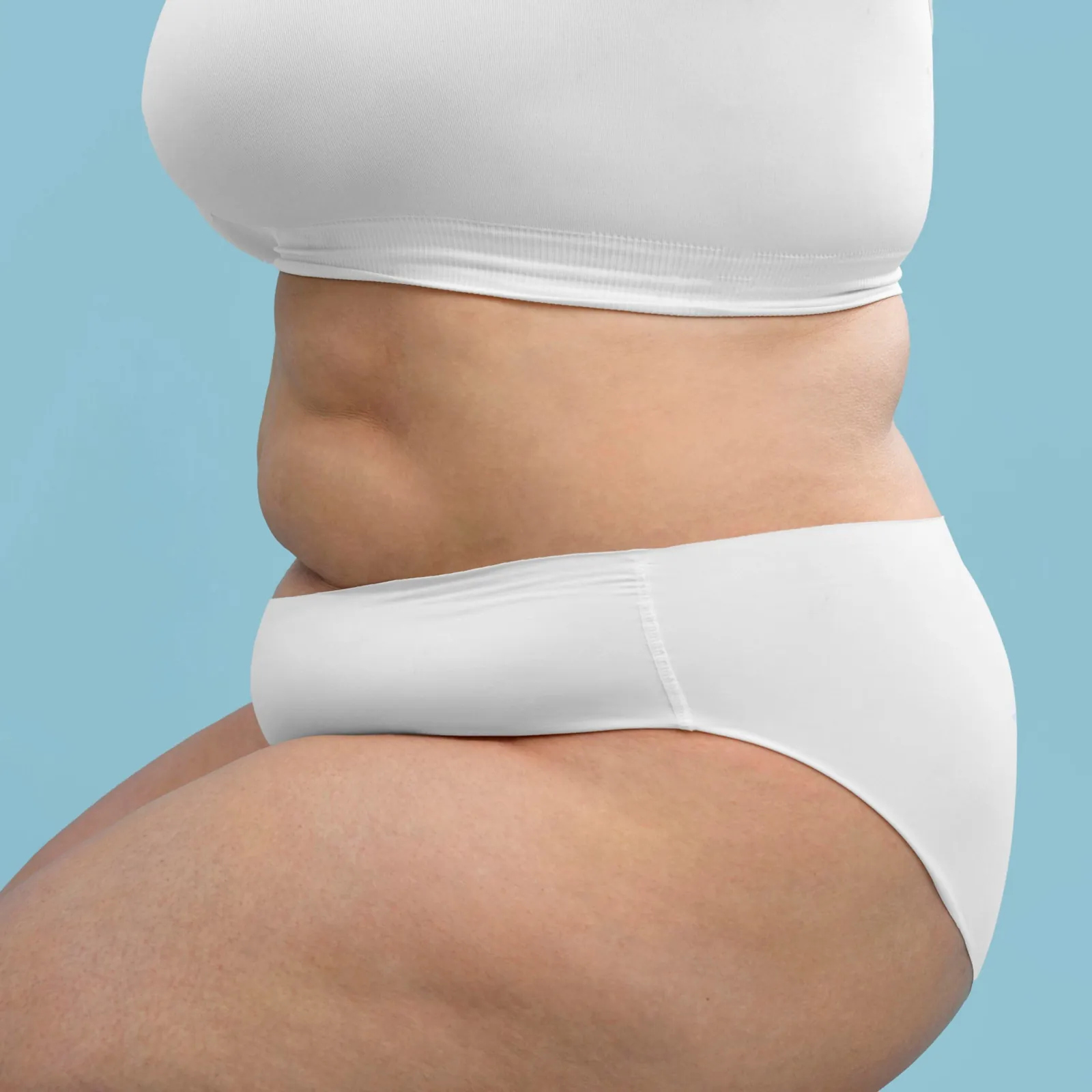
It is a set of surgical procedures (usually laparoscopic) that modify the digestive system to treat obesity. It works by reducing the capacity of the stomach and, in some techniques, changing nutrient absorption and satiety signals. Its aim is not just weight loss, but also to improve associated diseases and quality of life.
Sleeve gastrectomy or gastric bypass?
It depends on each case. Gastric sleeve is fundamentally restrictive and does not modify the intestine. Bypass combines restriction with reduced absorption and usually has a very marked effect on type 2 diabetes and reflux, in exchange for stricter supplementation. The appropriate technique is determined by the medical team after evaluation.
Application, risks and outcomes
Who is eligible? What BMI is required?
As a guide, this can be considered for a BMI of 40 or above, or a BMI of 35-39.9 associated with a relevant comorbidity (type 2 diabetes, severe sleep apnoea, hypertension). In selected cases, with a BMI of 30-34.9 and serious weight-related health problems. It is essential to have attempted weight loss through diet and medical treatment, and to be willing to make permanent changes. The indication is confirmed by a specialist.
What are the risks?
As with any major surgery, there are risks: those associated with anaesthesia and any intervention (bleeding, infection, thrombosis) and others specific to this procedure such as suture leaks, stenosis, ulcers, nutritional deficiencies, dumping syndrome (more associated with bypass) or the need for reoperation. The team explains the specific risks of each technique in the informed consent form.
How much weight is lost?
Surgery can achieve significant and sustained weight loss and a major improvement in comorbidities, but it does not guarantee a specific number of kilograms lost. Results vary depending on the technique, starting point, and, above all, adherence to new habits and follow-up. Partial weight regain can occur if changes are not maintained.
What is the recovery and admission like?
The procedure usually lasts between 2 and 3 hours via laparoscopy, with a typical hospital stay of 2 to 3 days. Return to normal activities is gradual over the following weeks, avoiding intense exertion initially. Diet progresses in stages (liquids, pureed, and solids) and scheduled check-ups are carried out to adjust lifelong diet and supplementation.
Price and areas
How much does it cost and does social security or insurance cover it?
There isn't a single price: it depends on the technique, the complexity of the case, the pre-operative assessment, the team, and the centre. The quote is personalised after an assessment. Coverage by public healthcare or private insurance depends on each case and the criteria of each entity; it's worth checking. At the clinic, you can explore financing options.
Do you see patients from outside Girona?
Yes. We regularly see patients from all over the province of Girona and the Costa Brava (Salt, Figueres, Blanes, Lloret de Mar, Olot, Banyoles, Palafrugell, Sant Feliu de Guíxols, etc.). We coordinate assessment, pre-operative study and follow-up, grouping tests and visits whenever possible.