



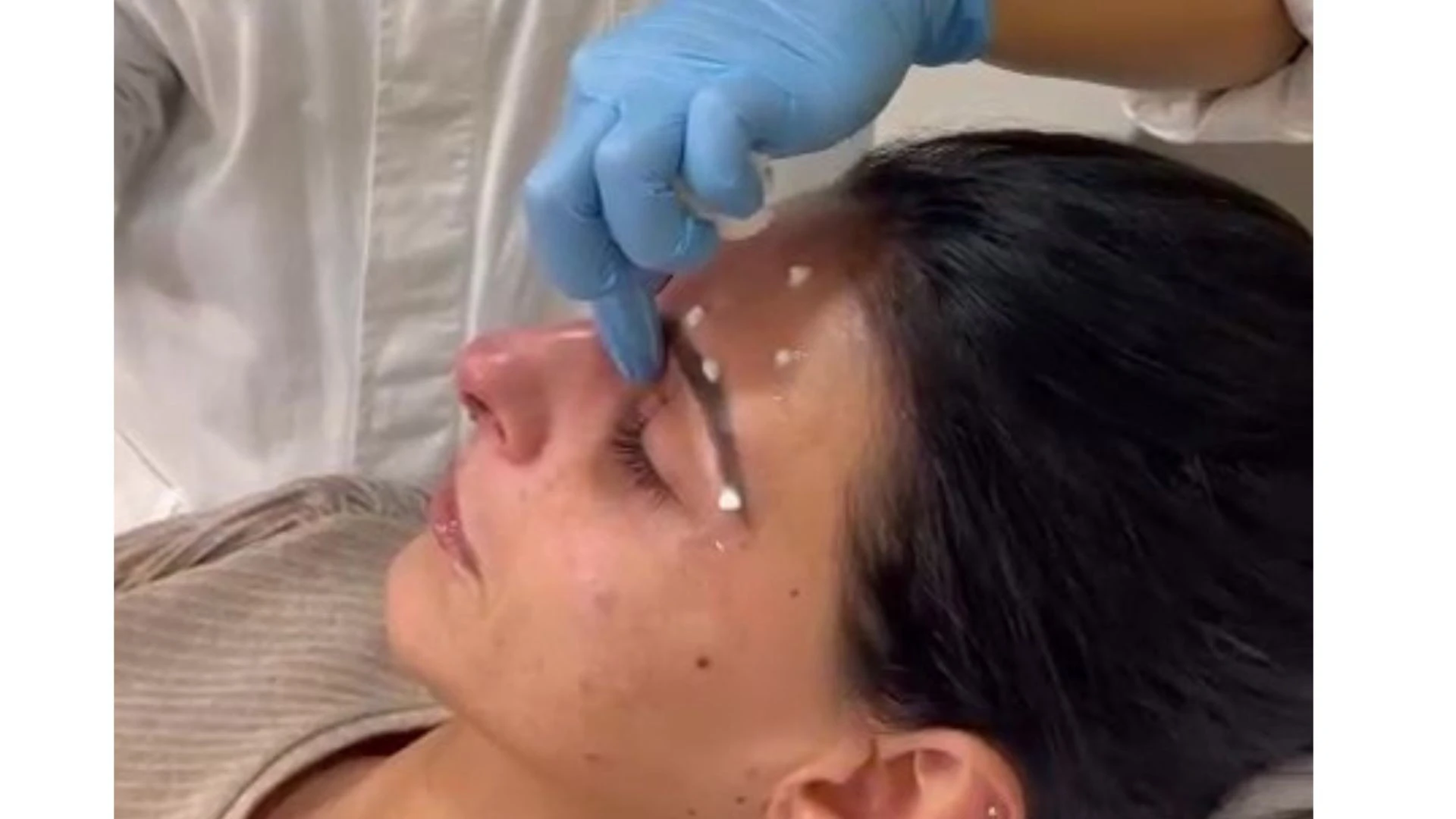
18 June Rhinoplasty or septoplasty: differences and which operation you need
Direct answer: the septoplasty correct a deviated septum for better breathing (it's functional); the Rhinoplasty Reshape or resize the external form of the nose (cosmetic or reconstructive). If you need to improve both, they are combined into one. Rhinoseptoplasty. The appropriate procedure is decided after an aesthetic and functional examination.
To choose between Rhinoplasty or septoplasty It depends on what problem you want to correct. Although both are nose surgeries, they do not pursue the same objective or act on the same structures: rhinoplasty changes the external shape and septoplasty corrects the septum for better breathing. And when both needs coincide, there is a combined surgery called septorhinoplasty. In this guide, we compare the three, with a clear table, so you can understand which operation fits your case.
It's one of the most frequent doubts in consultation, and it’s understandable: the names are similar, they are sometimes combined in the same surgery, and both are performed «on the nose». The practical difference, however, is significant — an improvement How do you breathe? and the other What does your nose look like—, and confusing them can lead someone to undergo surgery expecting a result that technique simply doesn't aim for. Someone with a deviated septum wants to breathe; someone who dislikes the bump on their profile wants an aesthetic change; and some people need both. Understanding them well before deciding is the best way to get the surgery right and to go to the consultation with the correct questions.
The decision should always be made after an aesthetic and functional exploration. You can study your case at the unit Rhinoplasty in Girona, where the shape of the nose, the septum and breathing are all taken into account.
Rhinoplasty, septoplasty or septorhinoplasty: quick answer
The fundamental difference lies in the objective. This table summarises how the decision is usually oriented:
| Primary need | Indicative procedure |
|---|---|
| To change the shape or size of the nose | Rhinoplasty |
| Correcting a deviated septum and breathing better | Septoplasty |
| Improve aesthetics and respiratory function | Septorhinoplasty |
| Conceal minor imperfections without surgery | Rhinomodelling, in selected cases |
This is just an initial guide. The appropriate intervention is chosen after studying the exterior of the nose, the septum, the turbinates and the functioning of the nasal passages.
What is a rhinoplasty
Rhinoplasty is a surgery that modifies the External structure from the nose to improve its shape, size, symmetry or relationship with the face. Depending on the case, it can act on the nasal bones, cartilage, tip, bridge, alae, columella, nostril width, and tip projection. Common reasons for consultation include: nose too large for the face, dorsal hump, wide or drooping tip, deviated nose, asymmetry, or consequences of trauma. For further information, consult What is a rhinoplasty. A purely aesthetic rhinoplasty does not automatically equate to a functional correction: if there is a breathing problem, it must be planned so as not to compromise, and when possible, to improve, breathing.
Types of rhinoplasty and how they differ
Not all rhinoplasties are the same. Knowing the techniques helps in understanding the assessment and comparing quotes with discernment:
- Closed rhinoplasty all incisions are made inside the nose, with no visible external scarring. It is usually indicated for more localised changes.
- Open rhinoplasty add a small incision into the columella (the strip between the nostrils) which gives the surgeon greater visibility and control in complex or revision cases.
- Ultrasonic rhinoplasty uses ultrasound to precisely reshape bone, respecting soft tissues more, which can translate to less bruising. Expand on Ultrasonic rhinoplasty.
- Secondary or revision rhinoplasty is performed when a previous result was not the desired one; it is technically more demanding and requires specific experience.
- Non-surgical rhinoplasty Fillers are used to conceal minor imperfections of the dorsum or tip in selected cases. They do not replace surgery or correct the septum.
A frequently asked question is Which is better, rhinoplasty or nose reshaping (non-surgical)?Nose remodelling is a temporary retouch for minor details without surgery; rhinoplasty is a surgical and permanent solution for structural changes. They don't compete: they solve different problems.
What is a septoplasty
septum desviado. deviated or deformed nasal septum. Its aim is functional: to widen the airway and improve breathing. The septum divides the nose into two cavities; a deviation may be present from development or appear after trauma. Symptoms compatible with a significant deviation: a blocked nose sensation, difficulty breathing through one side, alternating blockage, noisy breathing, repeated bleeds or increased difficulty when exercising. An isolated septoplasty does not seek to change the external formis worked on internally and, in many cases, the incisions are made inside the nostrils. Therefore, someone with a deviated septum and a crooked nose externally should not assume that a septoplasty alone will correct both issues.
Two very common doubts: Does septoplasty change the shape of the nose on the outside? It is not their goal; by working from within, the external form is barely modified and Normally, it’s not noticeable from the outside.. Y Is it worth it? When there is a real obstruction affecting sleep, exercise, or quality of life, correcting the septum usually greatly improves breathing. If there are also enlarged turbinates, it can be associated with a Turbinoplasty in the same act.
Differences between rhinoplasty and septoplasty
| Appearance | Rhinoplasty | Septoplasty |
|---|---|---|
| Main objective | Change the external shape | Improve respiratory function |
| Structures treated | External bones and cartilage | Nasal septum |
| Usual reason | Aesthetic or reconstructive | Septal deviation obstruction |
| Change the appearance | Yes | It is not their objective |
| Improve your breathing | Only if functional correction is included | Its main purpose |
| Incisions | Closed (internal) or open (columella) | Usually internal |
| It can be combined | Yes, with septoplasty | Yes, with rhinoplasty |
The distinction is useful, but not always absolute: the nose is both an aesthetic and a respiratory unit, and modifying one part can influence the other. Both usually require general anaesthetic, though the protocol depends on the case.
Signs that guide your case
Before your consultation, these clues help hint at the direction of your problem (they do not replace a medical diagnosis):
More likely to be functional (septoplasty)
- You notice a persistently blocked nose, mainly on one side.
- You breathe through your mouth when you sleep, you snore or have a bad rest.
- You run out of breath when exercising despite being fit.
- You have repeat bleeds or frequent sinus infections.
- Do you remember a blow or fracture after which the obstruction began.
More likely to be aesthetic (rhinoplasty)
- You breathe well, but you don't like the shape or size of your nose.
- Does a hump on your back, a dropped or wide tip, or a visible deviation bother you?.
- You are looking for greater harmony of the nose with the rest of your face.
If you recognise yourself in both lists, It is very possible that your case would be better resolved with a septorhinoplasty. The way to find out for sure is with an examination that assesses both aesthetics and breathing.
Rhinoseptoplasty is a surgical procedure that combines two distinct operations: a rhinoplasty (nose job) and a septoplasty.**Rhinoplasty** is a cosmetic surgery to reshape the nose. It can alter the size, shape, and proportions of the nose, improve breathing, and correct deformities caused by injury.**Septoplasty** is a surgical procedure to straighten a deviated septum, the wall of bone and cartilage that divides the nose into two nostrils. A deviated septum can cause breathing difficulties, nasal congestion, and recurrent sinus infections.**When to combine them:**A rhinoseptoplasty is typically recommended when a patient has both cosmetic concerns about the appearance of their nose and functional issues related to their nasal septum, such as breathing problems.Combining these procedures into a single operation offers several benefits:* **Improved Aesthetics and Function:** It addresses both the external appearance and internal structure of the nose simultaneously. * **Single Recovery Period:** Patients only need to go through one recovery process, which can be more convenient than having two separate surgeries. * **Potentially Reduced Costs:** While the combined procedure is more extensive than either individual surgery, it may be more cost-effective than undergoing two separate procedures with their own associated surgical fees, anaesthesia costs, and operating room charges.In essence, a rhinoseptoplasty is performed when the goals are to both improve the nose's appearance and fix breathing problems caused by a deviated septum.
Rhinoseptoplasty combines rhinoplasty and septoplasty in a single procedure. It allows for the simultaneous correction of deviated septums, respiratory obstruction, crooked noses, humps, asymmetrical tips, or deformities resulting from trauma. It may be recommended when addressing only aesthetics would leave the respiratory problem unresolved, or when a standalone septoplasty would not correct a significant external deformity (for example, following a nasal fracture with a deviated septum and visible displacement of the nasal pyramid). It is technically more complex and must be tailored to each individual's anatomy. It expands on A rhinoseptoplasty is a surgical procedure that combines rhinoplasty (a nose job) with septoplasty. Rhinoplasty aims to reshape the external appearance of the nose, while septoplasty aims to straighten a deviated septum, which is the cartilage and bone that divides the nasal cavity. Therefore, a rhinoseptoplasty corrects both functional breathing problems caused by a deviated septum and aesthetic concerns about the nose's shape..
Are septorhinoplasty and septorhinoplasty the same thing? In practice, they are used as synonyms: both describe the joint correction of the septum (functional part) and the external shape (aesthetic part) in the same surgery. The order of the word changes, not the procedure. The important thing is not the name, but that the assessment clearly states what is going to be corrected and why.
How to know what nose surgery you need
You shouldn't choose by the name of the procedure, but by your symptoms, goals, and anatomy.
- Rhinoplasty is usually indicated If you breathe well but want to change the shape, have a hump that bothers you, want to refine the tip, or correct an external asymmetry.
- Septoplasty is usually indicated If you have a confirmed deviated septum, the obstruction is concentrated on one side, nose breathing is difficult, or symptoms interfere with sleep or exercise.
- Rhinoseptoplasty is usually indicated If you want to change the shape, and also breathe poorly; you have a deviated septum and a crooked nose; or there was a fracture that affected the outside and the inside.
The consultation should examine two aspects: the appearance of the nose and its function when breathing. Before surgery, an examination of the septum and nostrils, an assessment of the turbinates and nasal valve, and photographs with facial proportion analysis are usually carried out.
Before your operation: study and preparation
A good surgery begins in the consultation. The assessment studies two areas – how the nose looks and how it functions when breathing – and typically includes an examination of the septum, turbinates, and nasal valve, as well as photographs with facial proportion analysis. This is the time to discuss your goals with realistic expectations and to review your medical history and medication.
In the days leading up to it, the team usually recommends Stop smoking (Smoking hinders healing), avoid anti-inflammatory drugs and those that promote bleeding unless advised, and organise the postoperative period: plan for a few days of rest, have someone accompany you on the day of the surgery, and wear comfortable clothing that doesn't need to be pulled over your head. If you take anticoagulants or have any chronic conditions, mention them from your first visit.
What is the intervention like: anaesthetic, duration and hospital stay
Rhinoplasty and septoplasty, as well as septorhinoplasty, are usually performed with General anaesthetic, though the protocol depends on the case and the team. duration The estimated time is around an hour for a simple septoplasty, to two or three hours for a complex septorhinoplasty. In most cases, it is outpatient surgery or involves one night of observation. The technique can be Closed (all incisions inside the nose, no visible scarring) or Open (with a small incision in the columella, between the nostrils). Today it is common to Ultrasound rhinoplasty, which reshapes the bone using ultrasound in a more precise and tissue-friendly manner. When the obstruction is also due to the turbinates, septoplasty can be accompanied by a Turbinoplasty.
Recovery and post-operative care, step-by-step
Recovery depends on the type of surgery and individual response, but there are general guidelines. In the first few days, it's advisable sleep on your back with your head elevated To reduce inflammation, avoid exertion and not blow your nose. After septoplasty, the nose may feel blocked due to internal congestion: the sensation of breathe better appears progressively as the swelling reduces, not always on the first day. After rhinoplasty, a External splint about 7 days and bruising may appear around the eyes.
- How to sleep on their back with their head elevated for the first few weeks.
- To blow one's nose Avoid it for the first few weeks; clean with saline solution as instructed.
- What to eat A bland, temperate diet for the first few days if there is discomfort, and plenty of fluids.
- Sport it is gradually resumed, usually from 3-6 weeks onwards as medically indicated.
- Final result: The essential is appreciated quickly, but defining the tip can take time. months due to residual inflammation (which is sometimes perceived as fibrosis).
For a phased breakdown, please refer to the Rhinoplasty recovery.
Results: what to expect and what before and after photos show
In a septoplasty, the «outcome» is primarily functional: breathe better. Do not look for a change in your profile picture, because that is not its purpose. In a rhinoplasty, the change is indeed visible, but it consolidates over time: in the first few days the nose is swollen, and in a few weeks the appearance is already socially presentable and the Final result —especially at the tip— can take anywhere from several months to up to a year to fully settle.
When looking Before and after photos, note that they are taken with the same lighting and angles, and that the result is natural and harmonious with the rest of your face, not a «operated» nose. A good goal isn't a nose identical to someone else's, but a nose that is proportionate to your face and breathes well. You can see real clinic cases in the Instagram carousel below.
Is nose surgery dangerous? Risks and safety
Performed by a qualified team and after an adequate assessment, nasal surgery is a procedure habitual and with a good safety profile, However, as with all surgery, there are risks that it's wise to be aware of: prolonged swelling, bruising, bleeding, infection, scarring issues or a result that doesn't quite meet expectations. Over time, in some cases, a small Bony callus o an irregularity that requires a touch-up. When an initial result is not desired, there is the Secondary or revision rhinoplasty, technically more demanding. The best way to reduce risks is to choose your surgeon carefully, declare your medical history, and follow post-operative instructions meticulously.
Price and social security: does it cover it?
There is no single figure. The The cost of an aesthetic rhinoplasty it depends on whether it's primary or secondary, the complexity, the technique (e.g. ultrasonic), the anaesthetic, the equipment and the aftercare; a combined surgery (rhinoseptoplasty) generally costs more than an isolated septoplasty. You can find out more at How much does a rhinoplasty cost in Spain. A point that many people ask about: the Functional septoplasty —when there is a diagnosed respiratory obstruction due to a deviated septum—it may be covered by the public health or insurance as functional surgery, while the purely Aesthetics (changing the shape of the nose) is considered private. In a septorhinoplasty, it is advisable to clarify in advance which part is functional and which part is aesthetic. Rhinomodelling without surgery visually modifies small external details, but I'm not correcting a deviated septum not an internal obstruction. For the aesthetic part, at the clinic you can consult options for funding and splitting the cost into instalments, something worth considering alongside the detailed quote following the consultation.
At what age can they have surgery and how to choose a surgeon
Aesthetic rhinoplasty is usually postponed until the nose has grown up, generally from the age of 16-18; functional septoplasty can be considered earlier if there is significant obstruction, always with medical discretion. For Choose surgeon, Ensure that they are a registered specialist with specific training in nasal surgery (plastic surgery or ENT, as appropriate), ask to see real-life before and after cases, y asegúrate de que la valoración estudie tanto la estética como la respiración. Puedes hacerlo en la unidad de rinoplastia en Girona.
Mitos y errores frecuentes al decidir
Alrededor de la cirugía de nariz circulan ideas equivocadas que conviene aclarar antes de decidir:
- «Con la septoplastia me quedará la nariz más bonita». No: la septoplastia corrige el tabique para respirar mejor, no la forma externa. Si buscas un cambio estético necesitas una rinoplastia.
- «Si me opero el tabique, aprovecho y me cambian la forma gratis por la seguridad social». La parte estética no entra en la cobertura funcional; se valora y presupuesta aparte.
- «La rinomodelación es una rinoplastia sin cirugía y dura para siempre». Es un retoque temporal con relleno para detalles menores; no es permanente ni corrige estructuras.
- «El resultado se ve al quitar la férula». Lo que se ve entonces es una nariz aún inflamada; el resultado real, sobre todo en la punta, tarda meses.
- «Cuanto más se cambie, mejor». El mejor resultado suele ser el más natural y proporcionado a tu cara, no el más llamativo.
- «El precio es lo único que debo comparar». Pesa más la experiencia del equipo, la valoración funcional y el seguimiento que unos euros de diferencia.
¿Cómo sé cuál necesito?
La pregunta más útil no es «¿rinoplastia o septoplastia?», sino: ¿mi problema está en la forma externa, en el funcionamiento interno o en ambos?
- Solo forma y respiras bien → suele orientarse a rinoplastia.
- Solo respiración por tabique desviado → suele orientarse a septoplastia.
- Ambas cosas a la vez → suele orientarse a rinoseptoplastia.
La respuesta definitiva se obtiene con una exploración completa, estética y funcional, realizada por el equipo médico. Pide tu valoración de cirugía nasal en Girona →
Resolve your case with the medical team
Primera valoración de cirugía nasal, estética y funcional, en Girona.
Related video
Rinoplastia ultrasónica: tipos de rinoplastia · Watch on our YouTube channel
Frequently asked questions
What operation do I need if I have a deviated septum?
Does septoplasty straighten the nose from the outside?
Can I have rhinoplasty and septoplasty at the same time?
Can a rhinoplasty improve breathing?
Does rhinoplasty help with breathing better?
How do I know if I have a deviated septum?
Does septoplasty come under the NHS?
Does septoplasty change the shape of the nose or is it noticeable from the outside?
Is it worth having surgery for a deviated septum?
A rinoplastia can be performed when the nose has finished developing. This is generally from the age of 16 for women and 18 for men.
How long does the operation and recovery take?
Is nose surgery dangerous?
How do you sleep after septoplasty or rhinoplasty?
Treatments and related units
Explore the treatments for Facial Cosmetic Surgery Unit and other areas of the clinic. Filter by area:
Rhinoplasty in Girona
Cirugía de nariz estética y funcional, también con técnica ultrasónica.
Rhinomodelling
Retoque de nariz sin cirugía con materiales de relleno, en casos seleccionados.
Minilifting cuello y papada
Tratamiento del cuello y la papada con menor agresión quirúrgica.
Related articles
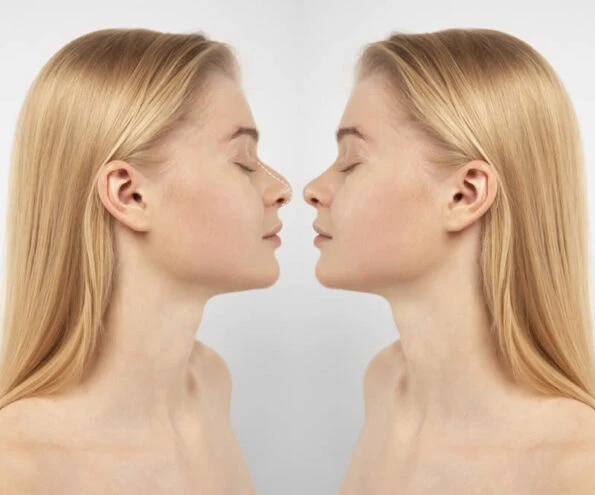
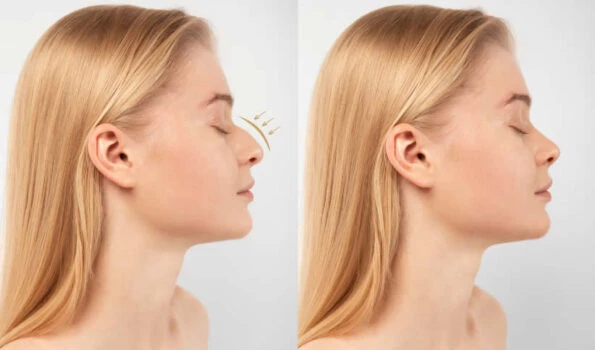

We serve patients from all over the province of Girona
Our clinic is located in the centre of Girona (Plaça Poeta Marquina, 3) and we regularly see patients from the city and the entire surrounding area and the Costa Brava. If you are coming from further afield, we coordinate appointments to group assessments and tests on the same day.
Plaça Poeta Marquina, 3, 17002 Girona · easy access from the AP-7 and N-II · How to get there and opening times
Medical review Content created by the medical team at Medics Integral Salut and reviewed by the Facial Aesthetic Surgery Unit.
Sources and references: Spanish Society of Plastic, Reconstructive and Aesthetic Surgery (SECPRE) · Sociedad Española de Otorrinolaringología y Cirugía de Cabeza y Cuello (SEORL-CCC).
Sorry, the comment form is closed at this time.