
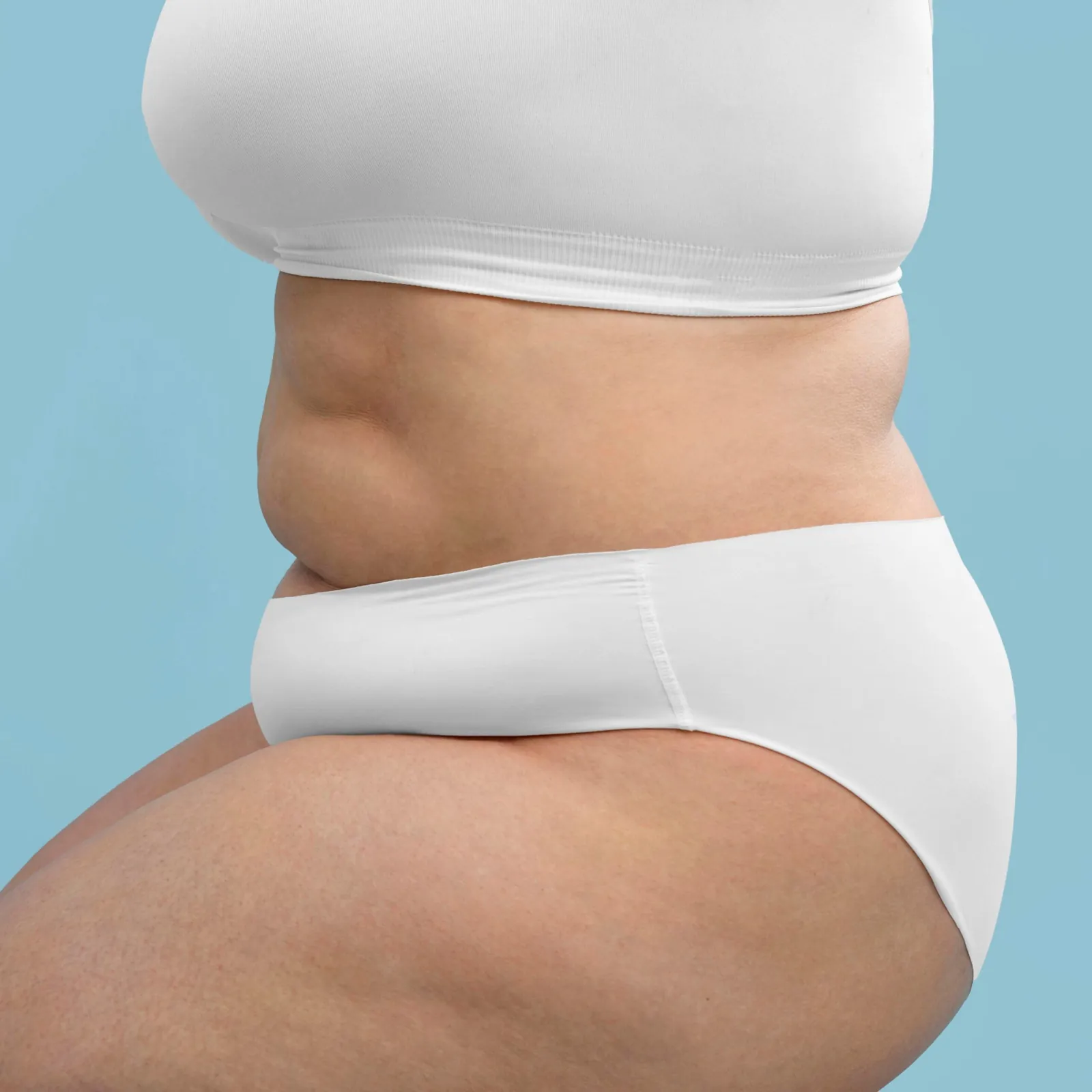
Bariatric surgery is usually considered for people with a BMI of 40 or more, or 35 or more with an obesity-related condition (such as type 2 diabetes or sleep apnoea), who have tried to lose weight without sustained success and are willing to change their habits. It is not a magic solution and it is not suitable for everyone: suitability is determined by the medical team through tests and an individual assessment.
Bariatric surgery is an option for people who continue to struggle with obesity and have not succeeded with other weight-loss methods. However, not everyone is a candidate. If you are considering it, it is worth reviewing the key criteria before taking the step. You can see all the techniques and the process at the Bariatric surgery in Girona page of our clinic.
Below we review the points that are assessed to know whether you are a candidate, which situations may advise against it and what alternatives exist if surgery is not the most suitable option in your case.
Key points for being a candidate for bariatric surgery
- Body Mass Index (BMI): it is generally recommended with a BMI of 40 or more, or 35 or more with medical conditions related to obesity, such as type 2 diabetes or sleep apnoea.
- Weight loss history: having tried to lose weight with diet and exercise, for at least a year, without achieving significant results.
- Commitment to a healthy lifestyle: it is not a magic solution; it requires ongoing changes in diet and exercise. The goal is not just to lose weight, but to change habits.
- General health: assessed with the necessary tests to confirm that you are fit for the procedure.
- Real willingness to change and Realistic expectations about the results: surgery helps, but it requires ongoing work on your part.
If you identify with these points, the next step is to talk to our bariatric surgery specialist to determine whether it is the right option for you. Every person is different, and what works for one may not work for another.
The eligibility criteria, one by one
1. BMI and associated diseases
BMI is the first filter, but not the only one. A BMI of 40 or more is considered on its own; between 35 and 40 it is assessed when obesity-related conditions coexist (type 2 diabetes, hypertension, sleep apnea, among others), because in those cases the health benefit may be greater. The exact figure and its interpretation are always up to the medical team.
2. Having tried before
It is assessed whether you have tried to lose weight with diet and exercise without managing to maintain the results. This history helps to understand what has worked and what has not, and to decide on the most suitable approach.
3. Commitment and realistic expectations
Surgery is a tool, not an end point. The long-term result depends on changing habits, nutritional follow-up and psychological support when needed. That is why your motivation and your willingness to sustain those changes are assessed.
4. General health and prior assessment
Before operating, the specialist requests the necessary tests to check that your state of health allows surgery and recovery. It is an essential part of the process.
When it may be advised against or another option is better
Not everyone who is overweight needs surgery. When the BMI does not reach the surgical threshold, when health conditions advise against it or when you prefer to start with something less invasive, there are alternatives such as endoscopic treatments or the gastric balloon, the MEGA method (endosleeve) or a Dietetics and Nutrition programme. The decision is made on an individual basis, weighing benefits, risks and goals.
Summary of indicative criteria
| Criterio | What is assessed |
|---|---|
| IMC | 40 or more; or 35 or more with an obesity-related disease |
| Intentos previos | Diet and exercise without sustained success (at least ~1 year) |
| Edad | Usually adults (approximate range 18–65 years) |
| Salud general | Fit for surgery and recovery, according to tests |
| Compromiso | Willingness to change habits and follow the plan |
| Expectations | Realistic: surgery helps, it does not replace a change in lifestyle |
Find out with the medical team whether you are a candidate
Initial no-obligation medical and nutritional assessment in Girona.
Related video
Medics Method for the treatment of obesity Watch on our YouTube channel
Frequently asked questions
What BMI do I need to be a candidate?
Do I have to have tried to lose weight beforehand?
Is there an age limit?
Is bariatric surgery a permanent solution?
What tests are done before surgery?
What if I'm not a candidate for surgery?
Treatments and related units
Explore the treatments for Overweight and Obesity Unit and other areas of the clinic. Filter by area:
Bariatric surgery
Vertical gastrectomy, bypass, and duodenal switch for indicated cases.
Related articles


We serve patients from all over the province of Girona
Our clinic is located in the centre of Girona (Plaça Poeta Marquina, 3) and we regularly see patients from the city and the entire surrounding area and the Costa Brava. If you are coming from further afield, we coordinate appointments to group assessments and tests on the same day.
Plaça Poeta Marquina, 3, 17002 Girona · easy access from the AP-7 and N-II · How to get there and opening times